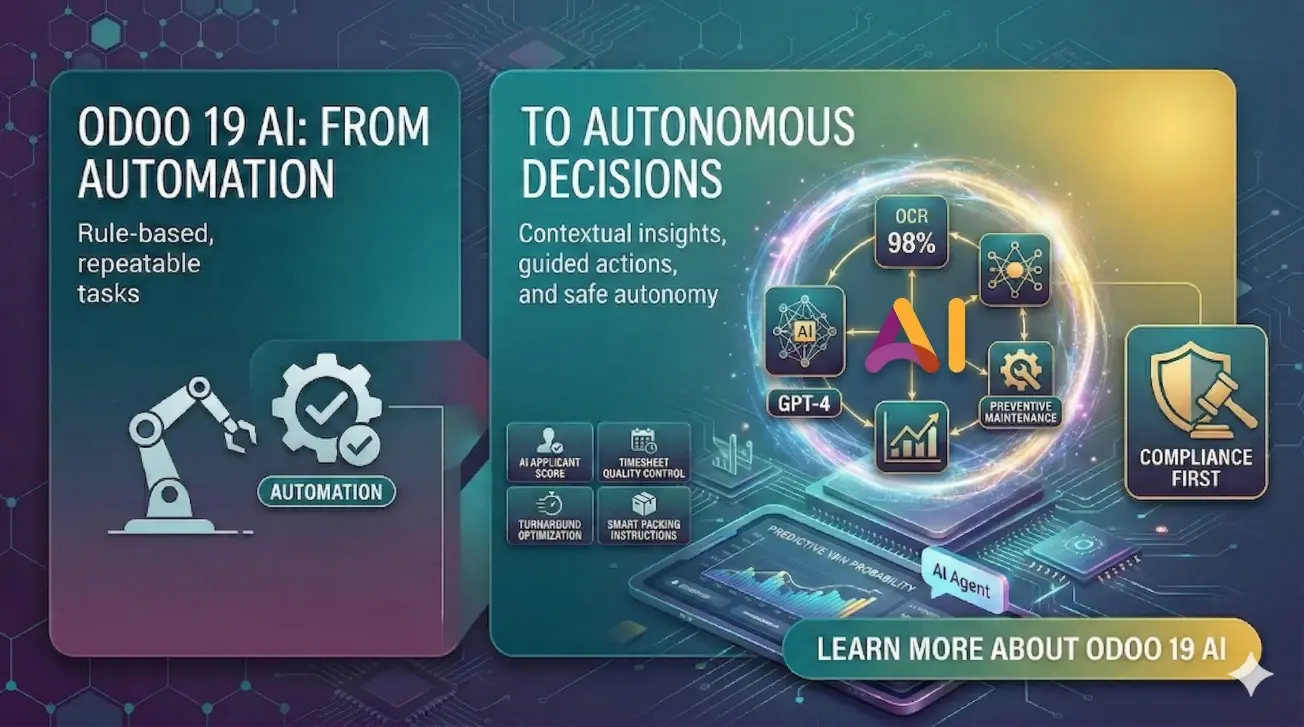
Core positioning: Shifting from "automation" to "autonomous decision-making"
Odoo 19 is no longer just a simple collection of tools; it reduces the cognitive load on humans through embedded AI. It divides AI into three levels:
Assist: Drafting text, summarizing records, and suggesting next steps.
Automate: Generating server operations directly through natural language prompts.
Predict: Utilizing predictive models for financial anomaly detection and inventory forecasting.
Key AI Features Highlights
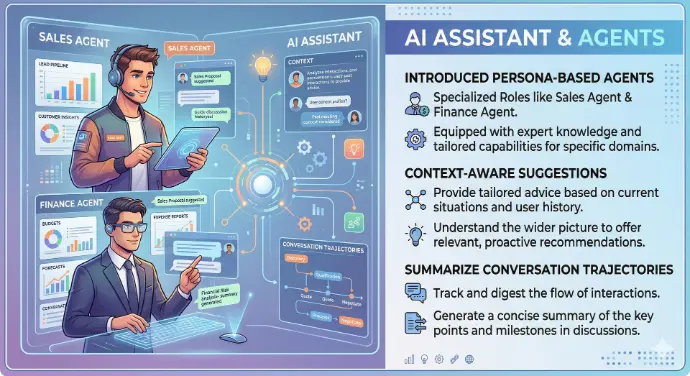
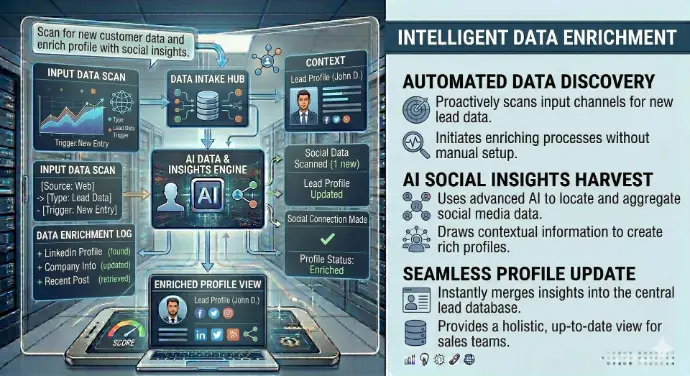
、AI Assistant & Agents: Introduces role-based AI agents (such as sales agents and financial agents) that can provide suggestions based on context and summarize the conversation trajectory.
Prompt-based Server Actions: Users can write their requests in plain English (e.g., "Create an opportunity and assign a manager when the lead probability is greater than 80%), and the AI will automatically translate them into automated system processes.

Document Intelligence: Enhanced OCR (Optical Character Recognition) capabilities enable automatic classification and routing of invoices and receipts, reducing manual input errors.
Intelligent communication: Supports automatic transcription, translation, and summary generation of call logs, and can automatically trigger subsequent follow-up tasks.
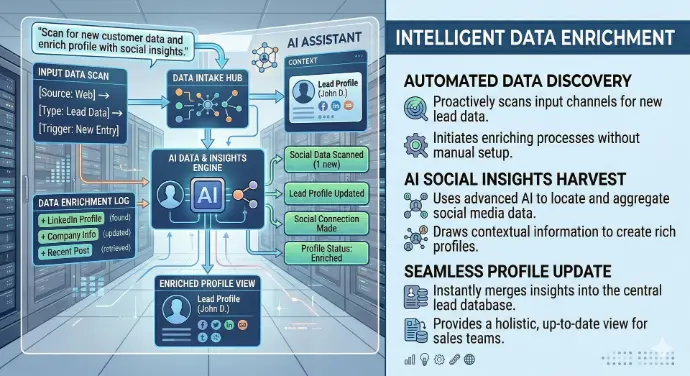
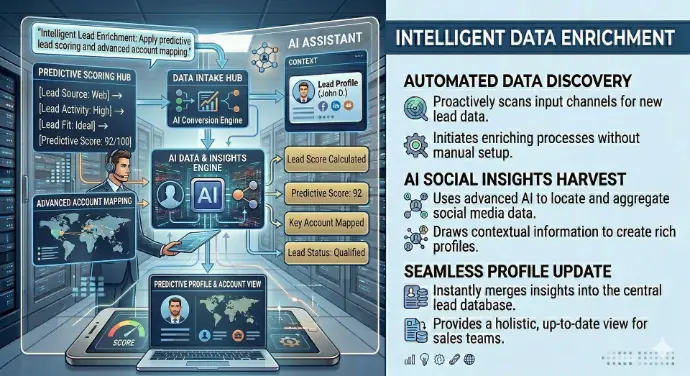
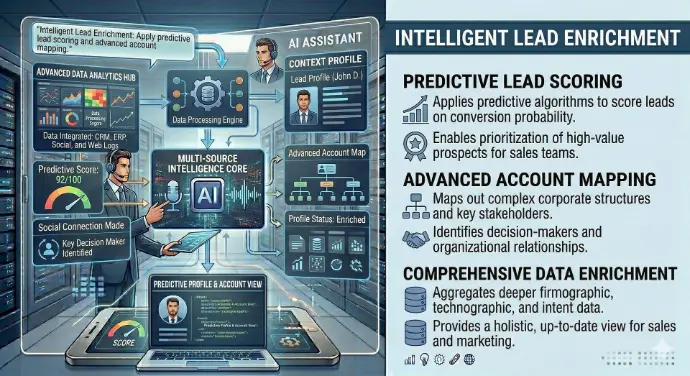
Predictive analytics: Built-in demand forecasting, sales lead scoring, and anomaly detection models optimize inventory turnover and revenue prediction.
Enterprise Implementation Recommendations and Compliance
Governance and Security: Emphasizing the importance of data residency, privacy protection (PII processing), and audit trails. It is recommended that enterprises maintain "human intervention" (human in the loop) when implementing AI automation.
Phase Implementation: A 6-9 month timeframe is recommended, divided into: Exploration and Diagnosis -> Pilot (Sales/Finance) -> Full Scale -> Continuous Optimization.
ROI Measurement: Measure the return on investment of AI through KPIs such as shortening turnaround time, reducing human touchpoints, and improving inventory turnover.